Window treatments
The measuring can wait. The picture cannot.
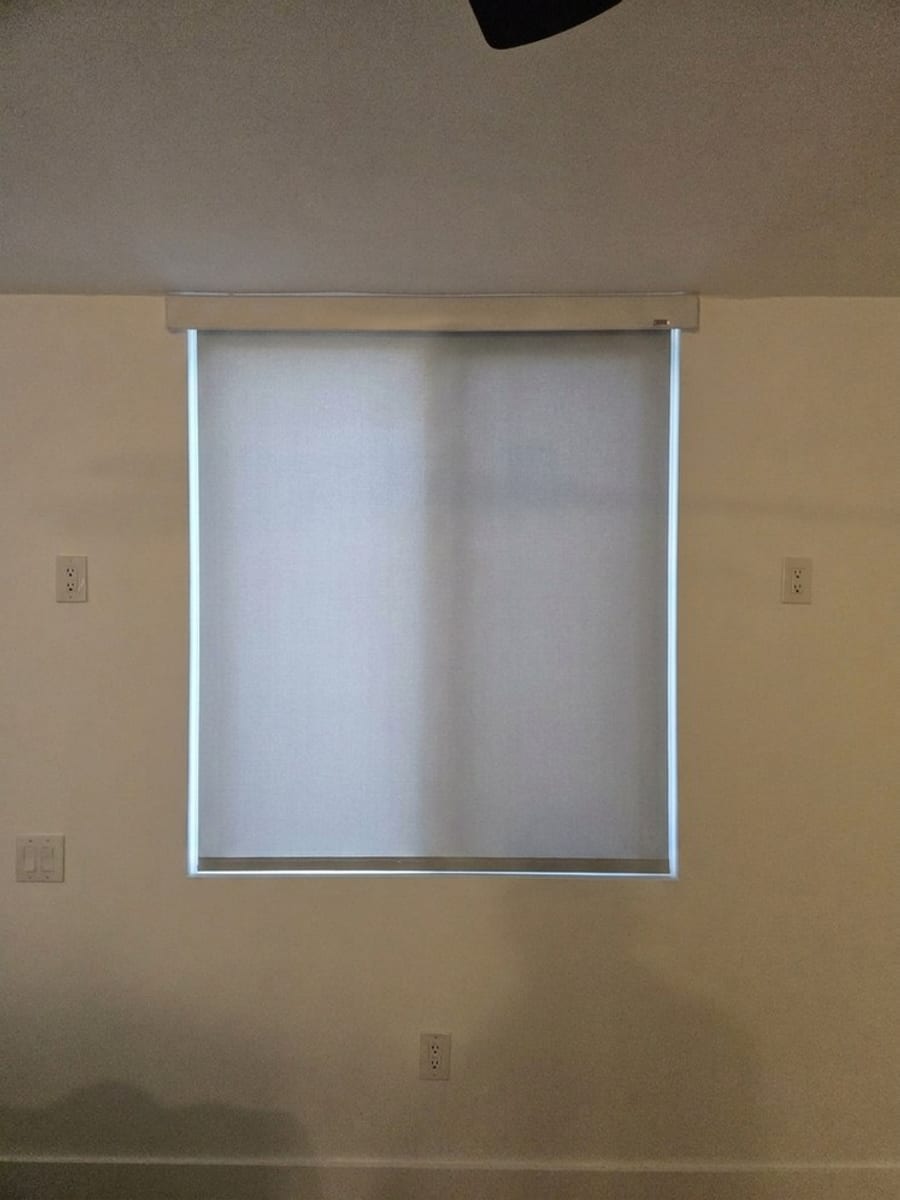
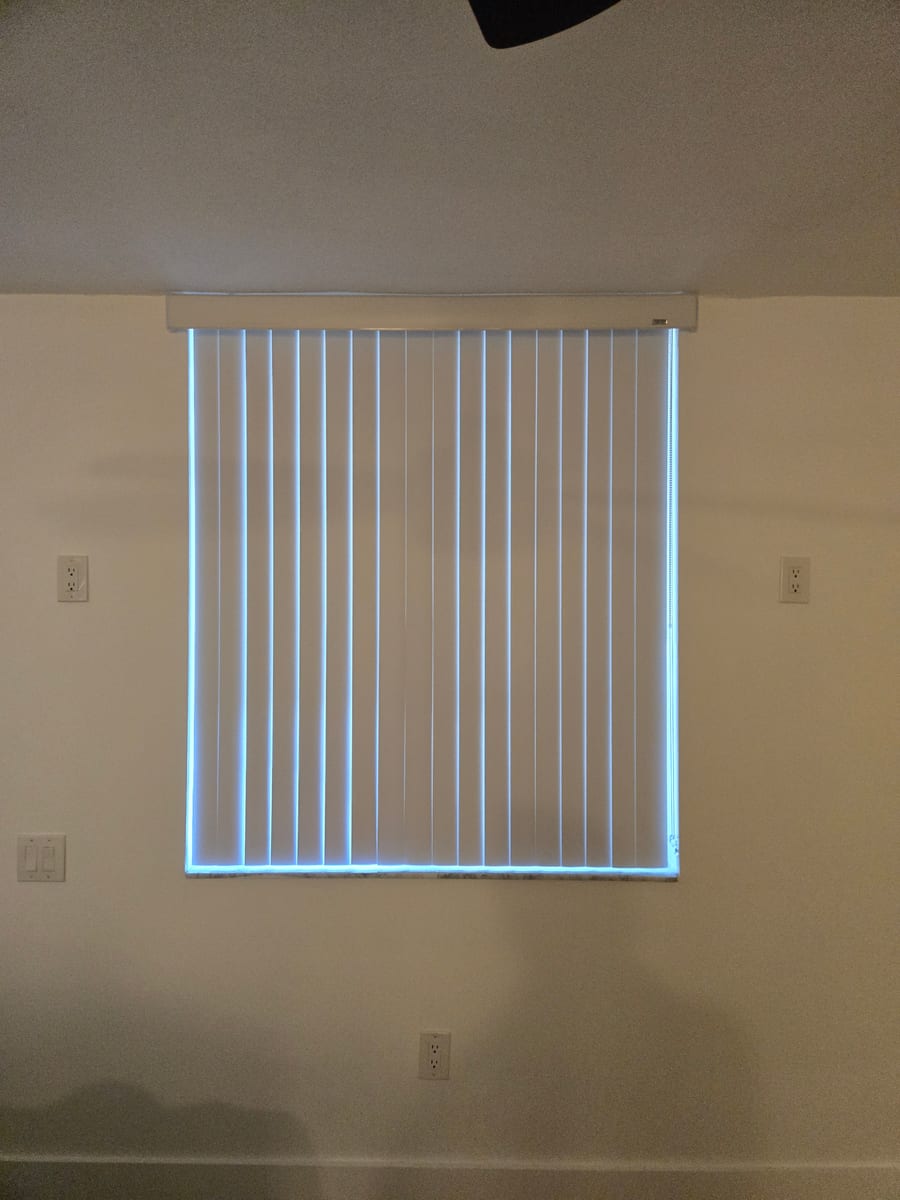
A buyer who cannot picture it does not buy it. She books a measure, thinks it over, and the quote goes cold. Show the treatment on the actual window in the room and the conversation moves to colour.
How it goes
Photograph the window. Mark the corners. Choose.
A phone photo is enough
Taken standing in the room, in whatever light the room has. Dim, backlit and slightly crooked are the normal case, and the engine is built for them rather than braced against them.
Four taps, not a tape
Tap the corners of the window. Near enough is fine, because each corner settles onto the real edge in the photograph. Nothing is measured and no dimension is ever asked for or implied.
The room stays the room
Only the covering changes. Walls, sill, frame, furniture and the light already in the picture are returned exactly as photographed, and that is enforced in code rather than promised in a prompt.
Then they play
Every change lands instantly.
The slow part happens once. After that, the fabric is composited from your own catalogue photography against light already measured in that room, so a new colour appears as fast as a thumb can move.
That speed is the point. A customer who can try eight options in eight seconds stops asking whether it will suit the room and starts asking which one.
Worth being clear about
What this does not do.
It does not measure
No width, no drop, no recess depth, no dimension inferred from a photograph. Measuring is a job for a person with a tape and a signature, and a picture that quietly guessed a number would put your fitter in an argument later.
It does not invent product
The fabric comes from photographs of your actual cloth, with a record of where each one came from. A colour nobody stocks never reaches a customer, because the catalogue is the only place colour can come from.
The three drapery looks above are generated illustrations rather than stocked fabric, shown here to demonstrate range. In a live catalogue every option maps to something you can actually order.
Where this sits
One engine, pointed at a different surface.
The residential studio
Puts a sofa, a rug or a whole grouping into a customer's living room, lit by the light already in the photograph.
Home goods
Puts the product on the counter it will actually live on, at the size it really is, in a kitchen that belongs to somebody.
Window treatments you are here
Puts the covering on the opening it will hang in, and it is the only one where the object has to sit inside a frame.
Tile and flooring
Redraws the surface the whole room stands on, from a single tap, with the furniture left exactly where it sits. The newest of the four, and the only one you can hand to a customer yourself.
All four obey the same rule, and it is the reason any of them can be trusted in a sales conversation. One thing in the photograph changes. Everything else comes back exactly as it was taken, down to the pixel.
Talk to us
See it on one of your own windows.
Send a photo of a window and the treatments you carry. We will build it against your catalogue and show you the result, with no obligation attached.